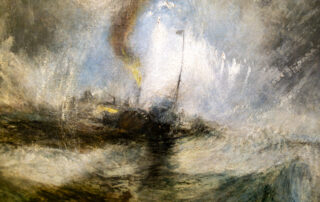
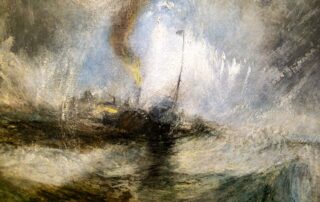
Phenomenology of Disappearance (1)
There is no proper “manifestation” of reality, for this would presuppose an “unmanifested” state. There is no essence behind mere appearance, since appearance itself constitutes the essence of reality.
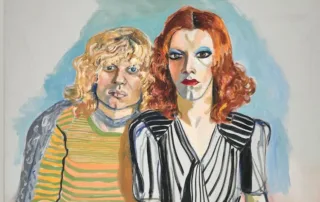
I am trying to really understand friendship (5)
Its purity — the purity proper to friendship — remains untouched: friendship does not decay. It endures in its essence, even when it survives only as memory.
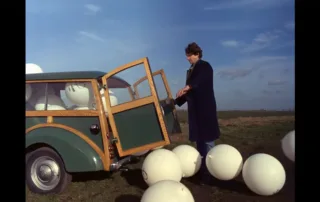
The ideal self calls permanently
[...]But when I really want to define or reach that self that I am, it is as elusive as a spectre. It remains in sight and yet unattainable, like a star.
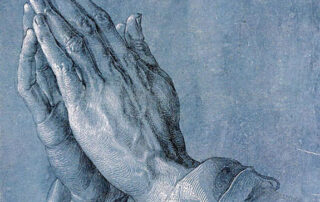
Fissure; opening infinity and consolation
In their productions, the philosopher, the poet, and the artist must renounce the expression of impartial, absolute, and unified truth, and yet bring their glimpse of it to our enjoyment.
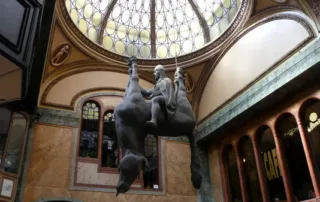
I am trying to really understand friendship (4)
[...] the relationship between virtuous beings does not necessarily translate into friendship. This must therefore be founded and originate in something more than virtue. There would be an excessive and inappropriate proliferation of friendships (remembering that “true” friendship only exists when founded on virtue) if this were the case. And that friendship does not follow solely and by itself from an encounter of virtues is even clearer when one accepts that friendship is rare and therefore precious. [...]
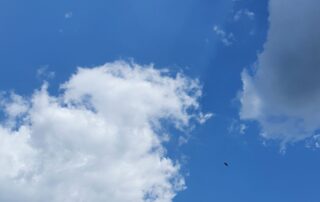
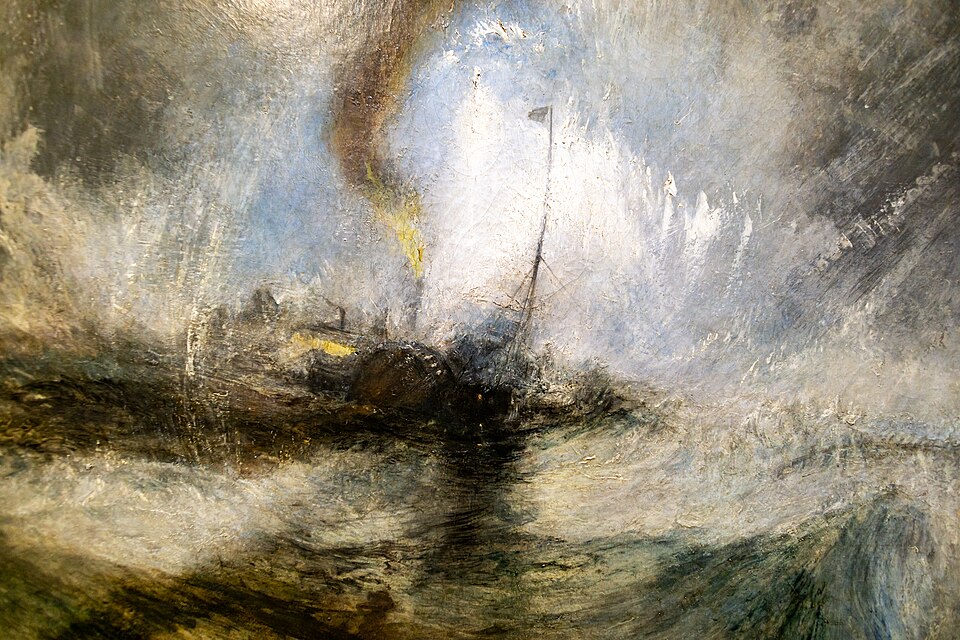

Conscience level 1
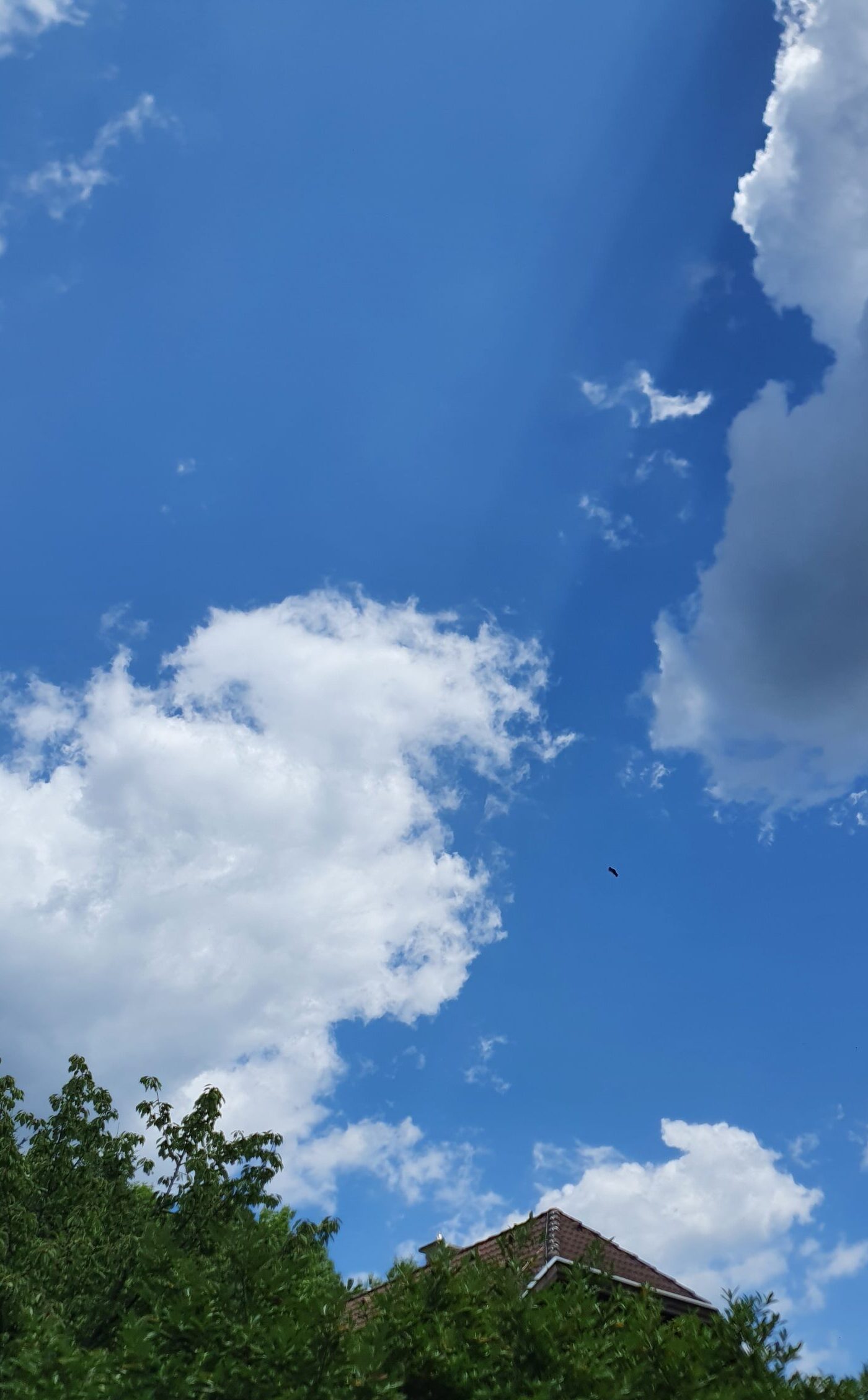
Today the sky is beautiful and blue. Although my body is confined to the ground, to the road surrounded by low houses, I look up and my gaze is filled with a blue that embraces and opens my chest, an early summer blue, fresh and warm at the same time. I see no boundary separating the sky from the landscape, everything is continuous, and I feel myself flailing my arms up there, longing to bathe in this amazement of brilliant emptiness.